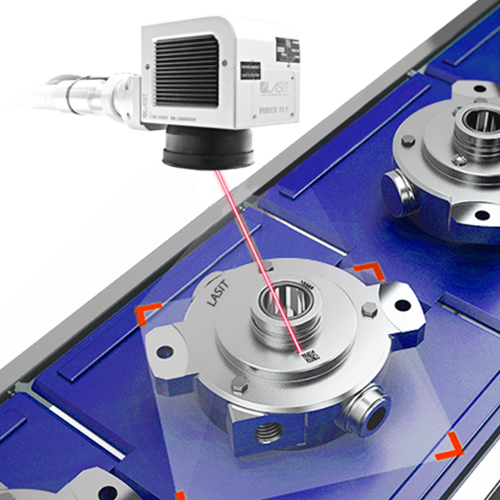
Foundry

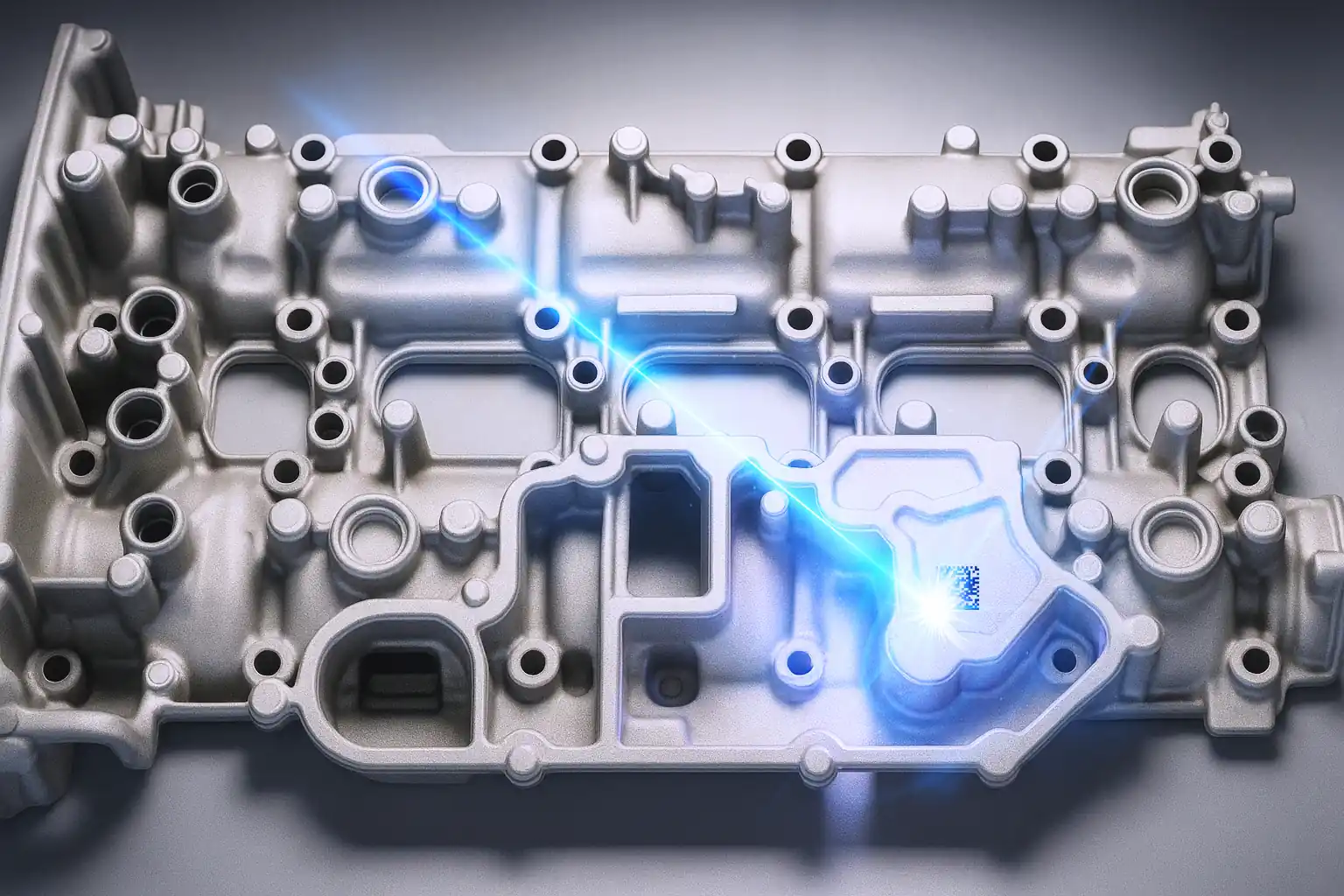
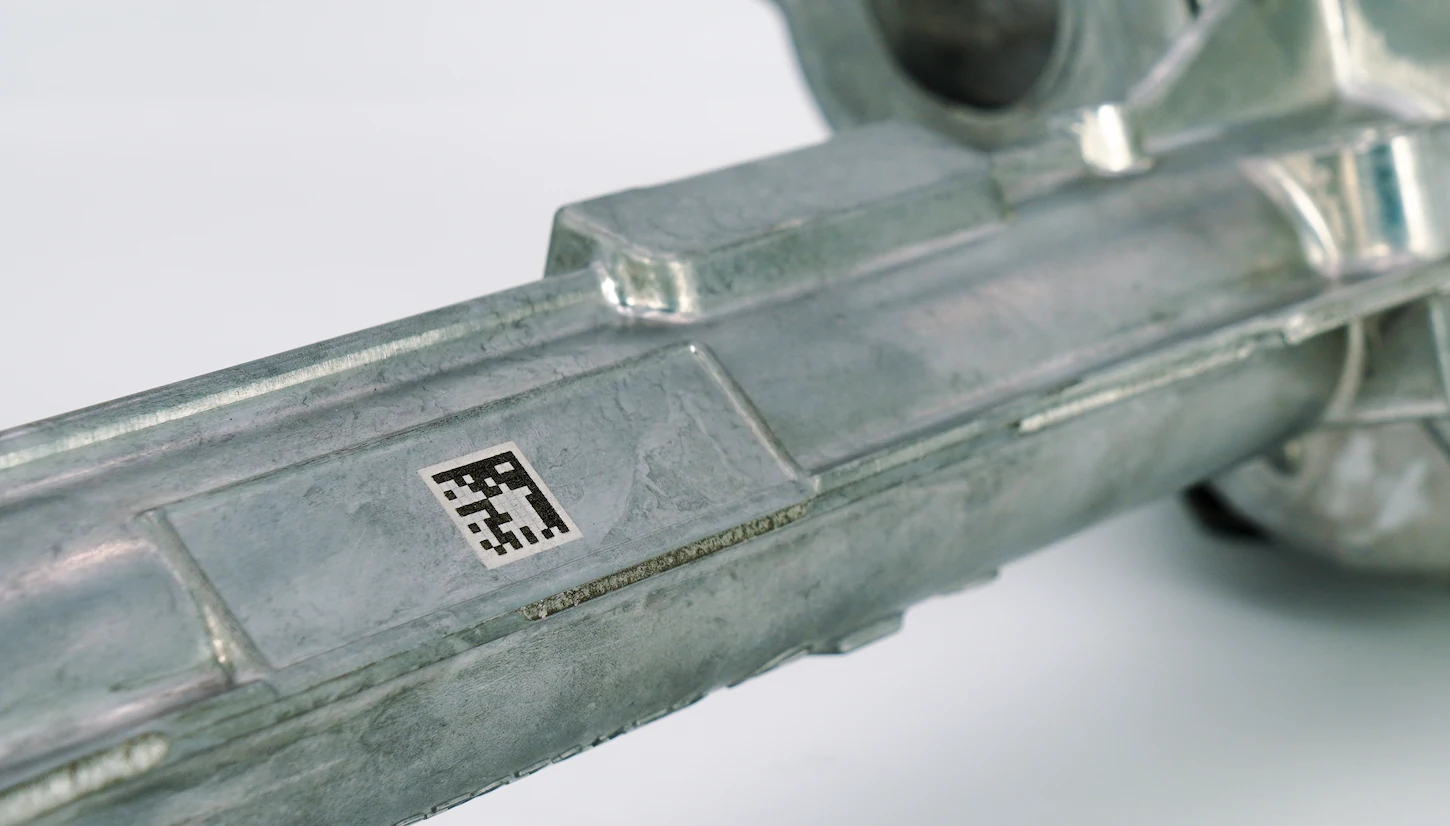
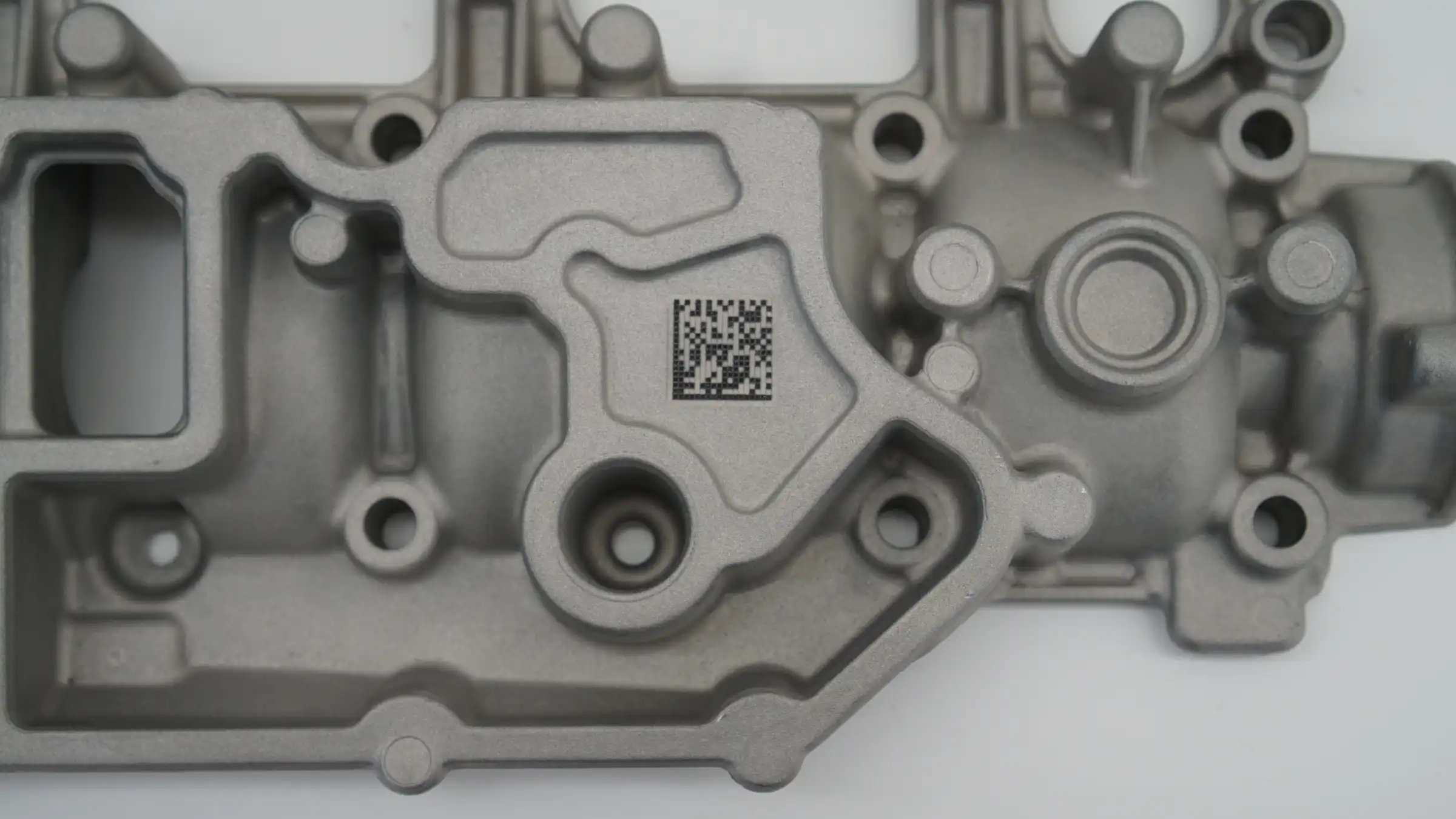
Laser marking identifies cast parts in iron, steel and aluminium directly after deflashing, on irregular and high-roughness surfaces. Codes resist subsequent heat treatments (annealing, hardening, shot blasting) and remain readable throughout the entire lifecycle, enabling cast and batch traceability without additional operations.

Laser marking on hot parts: industrial solutions for high-temperature components

Learn how laser marking on hot parts up to 600°C improves productivity and traceability in foundry and automotive, with real-world tests and solutions up to 500W

Read more

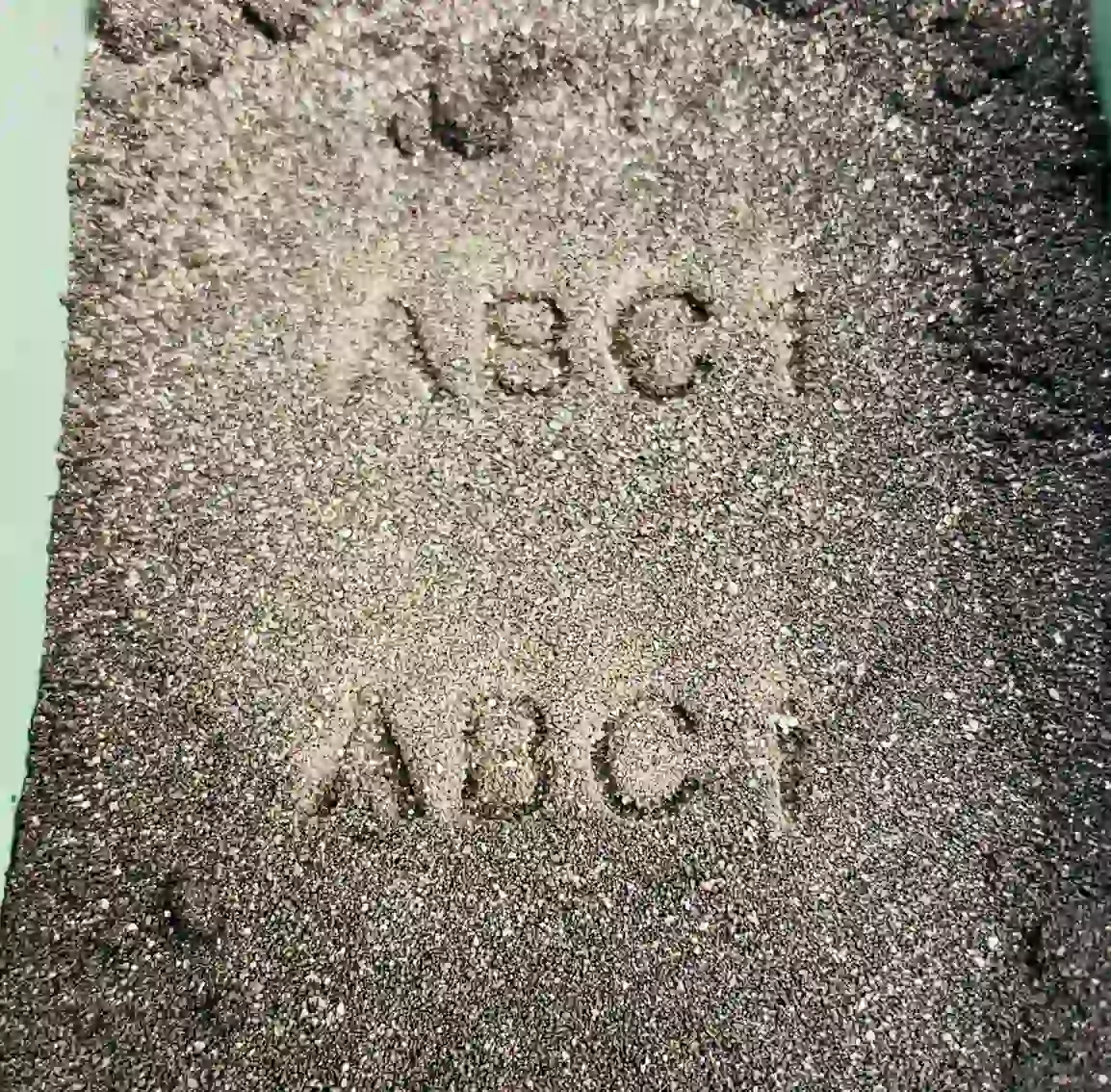
Laser marking on sand molds: technology and applications in modern foundry

Laser marking on sand molds: high-power technology for permanent engraving and traceability in foundry. Accuracy, automation and zero consumables.

Read more

Guide to choosing the right laser marker for your workshop

Choosing the ideal laser marker is based on a careful evaluation of interconnected factors that will determine the effectiveness of the investment. This guide reviews the key criteria to consider in selecting the system best suited to your specific needs.

Read more

Laser engraving on metal

Laser engraving on metal represents an advanced processing technology that is distinguished by its ability to create deep, permanent marks on the surface of metal materials. Unlike laser marking, which is often limited to surface alteration, laser engraving physically removes part of the material, creating grooves and cavities that are not only visible but also perceptible to the touch.

Read more

Can laser engraving resist shot peening?

Because traditional direct marking (DPM) is often insufficient, at LASIT we have developed laser engraving technology that protects 2D codes from the effects of shot peening.

Read more

Why choose laser and not mircopoint marking

Laser and micro-percussion marking systems have some things in common, but there are many advantages of the laser over the older micro-dot technology, so much so that the latter is increasingly being replaced by the laser.

Read more