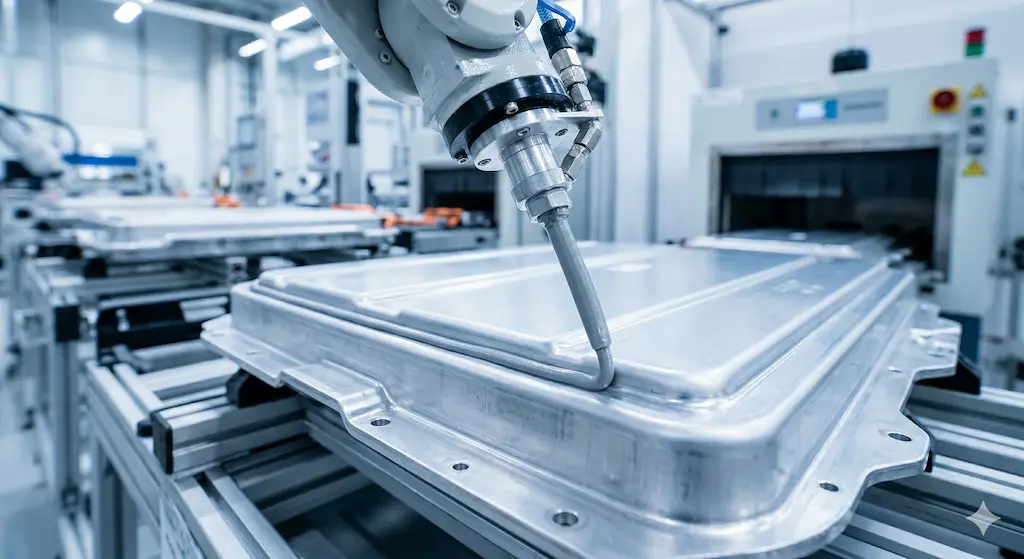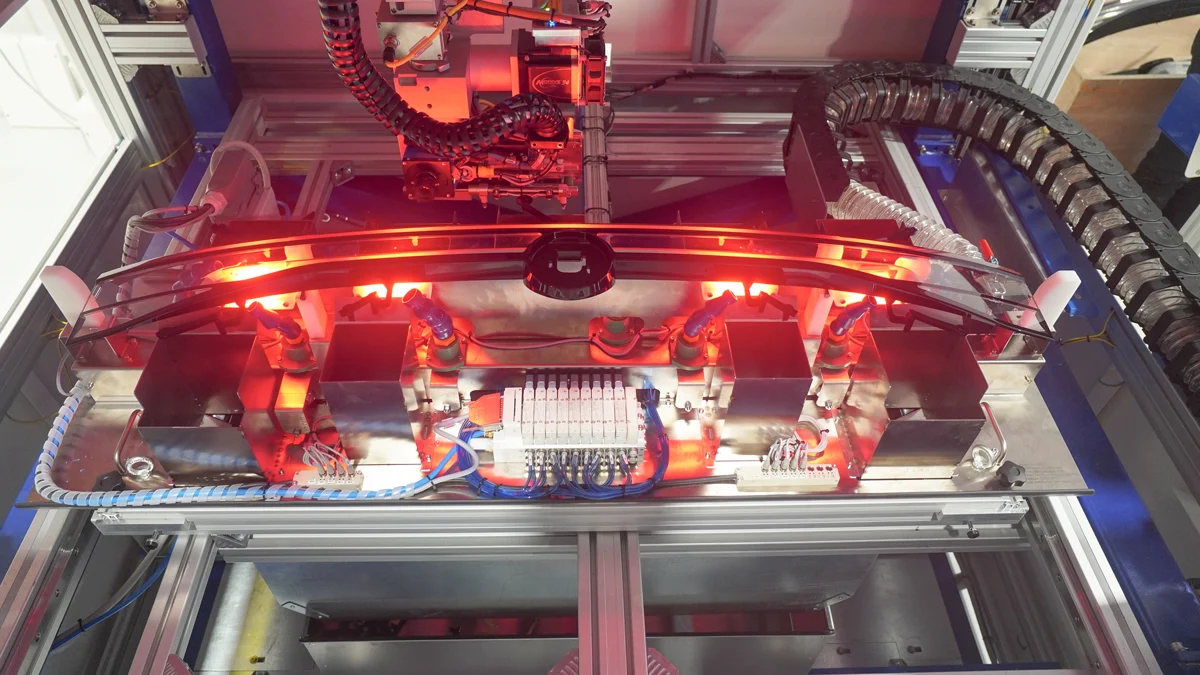

In recent years, traceability has become one of the key issues in global trade, especially for large industries, which use numerous components from different subcontractors in their production processes. This is why it is of paramount importance for companies to find the most effective method to track their products and ensure complete control over all operations involving them, from creation to delivery to the consumer.
Another reason companies are looking for the best traceability tools for their products is that traceability is now synonymous with improved brand perception in the marketplace, increased productivity, and reduced operating and maintenance costs .
Tracking a product means marking it with an identification code that makes it a unique item, different from others in its own category. Through these codes, it is possible to trace the product, manufacturer, date and place of manufacture of the item, making it much easier to deal with any malfunction problems and identify those responsible in the long and complex production chain.
For traceability, alphanumeric serial codes have been used for decades because they are simple and easy to read. Barcodes, which we are all familiar with, provide useful information about retail products and can be called the progenitors of 2D codes.
Introduced in the twentieth century era of information technology development, i.e., in the 1940s, these codes are particularly useful because they can be read automatically, reducing checkout time and the risk of errors.
Nevertheless, in the 30 years following the 1940s, the problem arose regarding the amount of information to be coded, especially for large industrial productions that needed to identify many more product and component specifications. This is why two-dimensional codes were introduced to the market in the 1990s, which solve the problem often also eliminating the need for separate external databases.
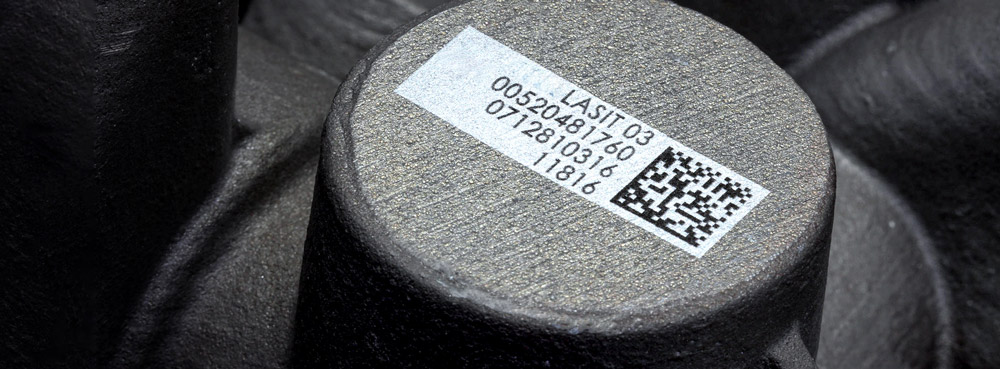
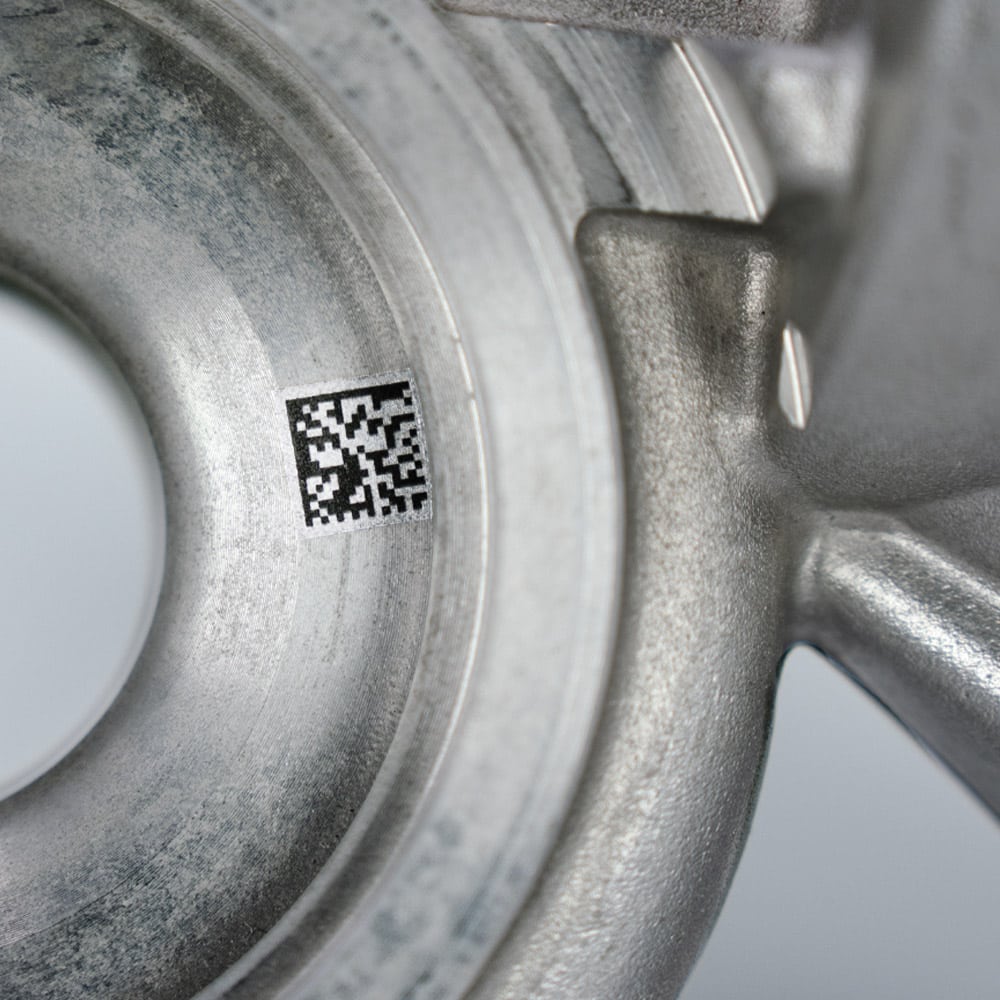
There are different types of 2D codes, from QRcode to DataMatrix, which have different characteristics and important advantages. The DataMatrix code in particular is greatly used in various industries, such as. Automotive e Medical, due to its ability to hold a huge amount of data in a very small space and its strength, which makes it durable and almost impossible to damage.
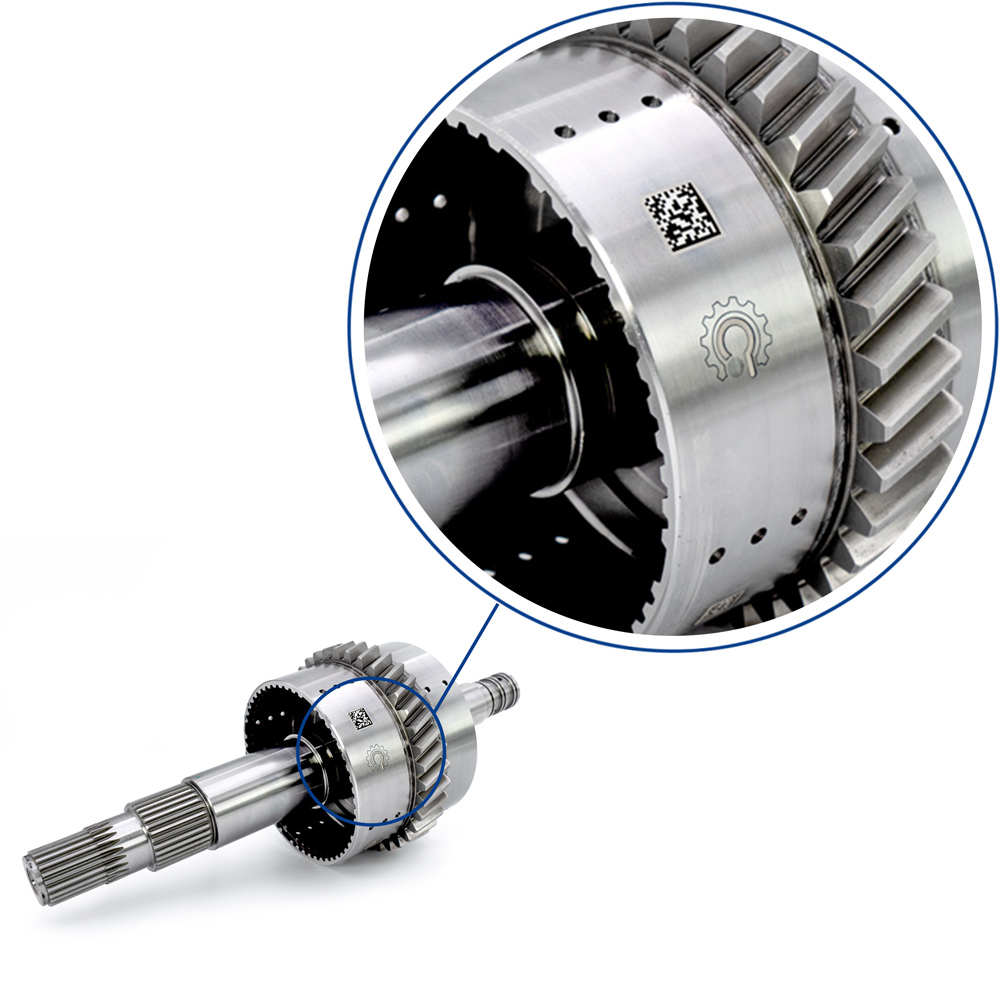
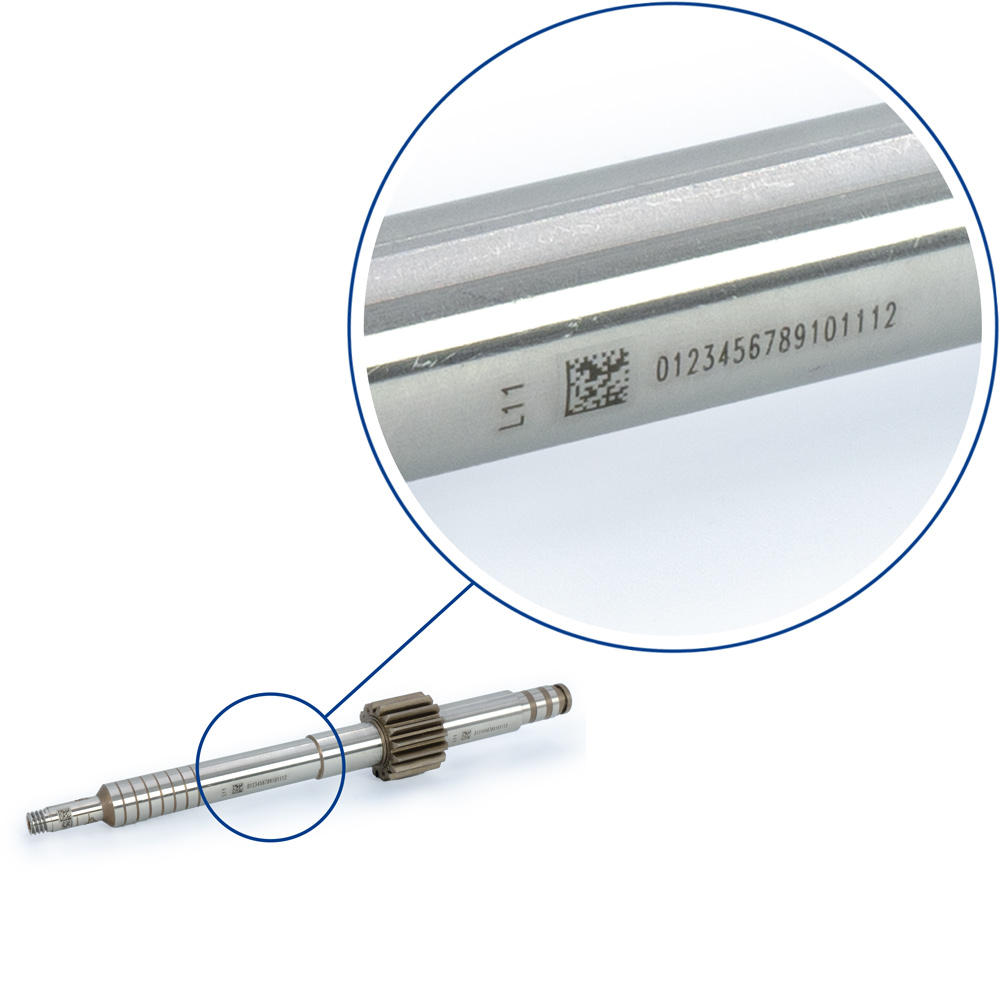
The importance ofusing codes for traceability lies in the fact that, through them, information about the product travels with it during all stages of its journey, until it reaches the end consumer. They are therefore more of a guarantee of reliability, making them the preferred choice for tracking products in the industrial sector. Their application can be achieved through various processes, the most effective of which is laser marking.
Through this system, it is possible to keep track of our products by creating codes with extreme versatility of ASCII characters and symbols, which can be modified directly within the software. Marking also places the code at a certain level of depth, reducing the risk of damaging it and making it unreadable.
The advantages of laser marking for traceability
Automation
In large industrial production, processes need to be integrated to save both time and cost. I laser marking systems are purpose-built to be integrated and configured according to the production chain, connected to software and highly dynamic.
Resistance
Laser marking is
Dynamics
With an automated process, we are able to monitor data constantly so that we can capture the information needed to implement production or make necessary changes for the next stage.
Size
The laser spot is very small, which means it can mark even hard-to-reach parts of the product.
Cost reduction
Compared with other systems for traceability, laser marking is the most cost-effective one, as it has no maintenance expenses and no waste material disposal costs.
Quality
Laser marking ensures extremely high accuracy even with complex geometric details.
Laser marking in the automotive industry
L’Automotive is one of the industries where traceability plays a central role. Despite the fact that most of us own and drive a car on a daily basis, many of us are unaware that there is a huge amount of activity conducted behind the scenes that relates precisely to the production and deployment of this type of product. Beginning with research, through planning and design to development, car components go through many stages before reaching assembly, a process that involves more than 30000 different parts. For each of the vehicle components, laser marking can offer the best solution for traceability: whether they are made of plastic or metal, it is possible to mark a permanent recognition code: moreover, thanks to its spot, the laser guarantees an optimal result even on components of very small size or complex structure.
By permanently identifying components with laser marking, manufacturers are able to track the product throughout its life cycle.
With the benefits of laser technology, 2D codes, Datamatrix, serial numbers, part numbers, and date codes can be marked sharply and permanently on any type of component, and automotive companies are increasingly driven to implement traceability methods as their industry strives to increasevehicle safety andreliability.
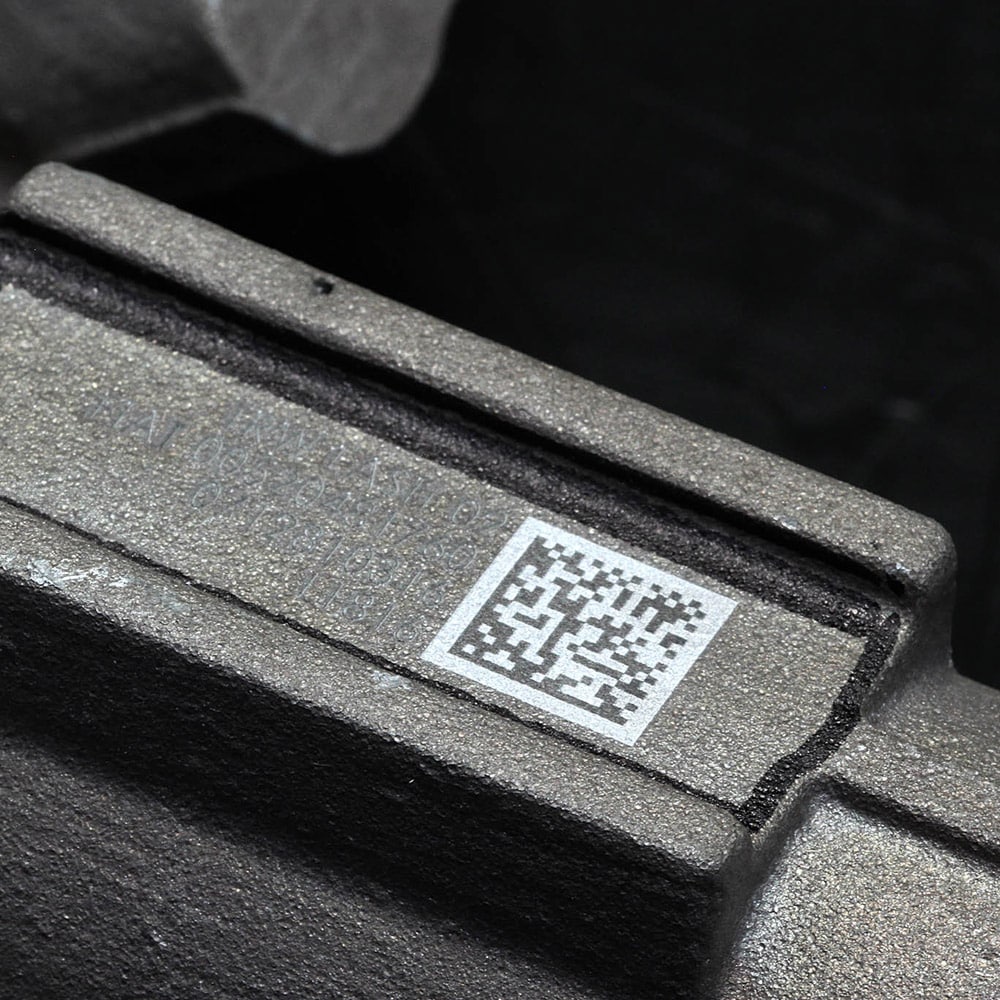
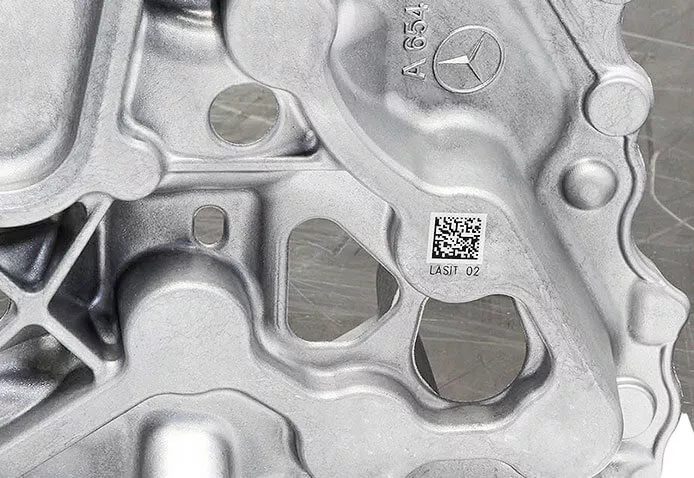
As already explained, in the event of a part failure or recall, the marked code can quickly and easily determine when and where the part was produced and make critical recall and warranty decisions related to other parts produced at the same time or place.
In addition, being able to track parts during production or during inventory can help maintain high production standards, keep factory ERP systems up-to-date, and provide just-in-time deliveries.