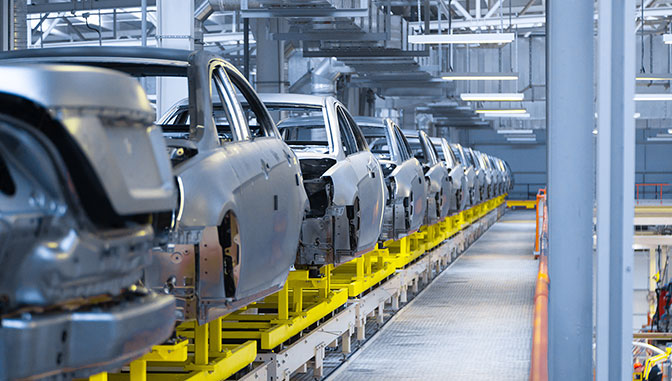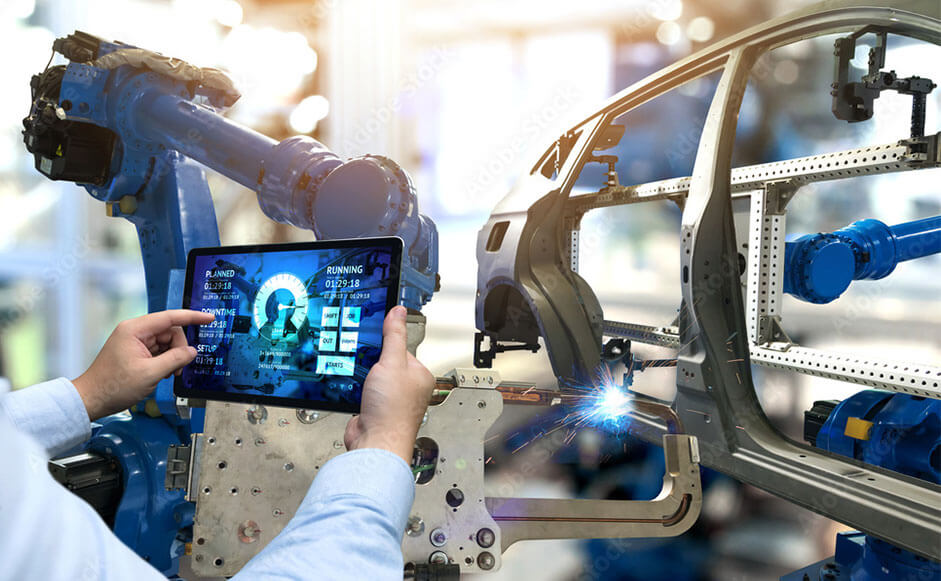
In 2023, the share of structural adhesives in the European automotive segment surpassed that of welded joints in aluminum bodies for the first time. This is not a statistical curiosity: it is a sign that adhesive bonding-the joining using technical adhesives-has reached the maturity necessary to compete with technologies that have been established for decades. Yet in process shops, the management of a structural adhesive joint is still often left to empirical practices rather than systematic design.
This article analyzes adhesive bonding as an engineering technology: from bond chemistry to operational configurations, from adhesive system selection to surface preparation-including the increasingly important role of laser treatment-to joint qualification. The goal is to provide process engineers with the conceptual tools to design reliable and repeatable joints in high-volume production.
Adhesive Bonding: Definition and Types of Technical Adhesives
Adhesive bonding refers to any joining process in which a cured material-the adhesive-transmits mechanical loads between two substrates without changing their structure or requiring localized heat. The definition hides a very wide variety of chemical and physical systems, each with precise application windows.
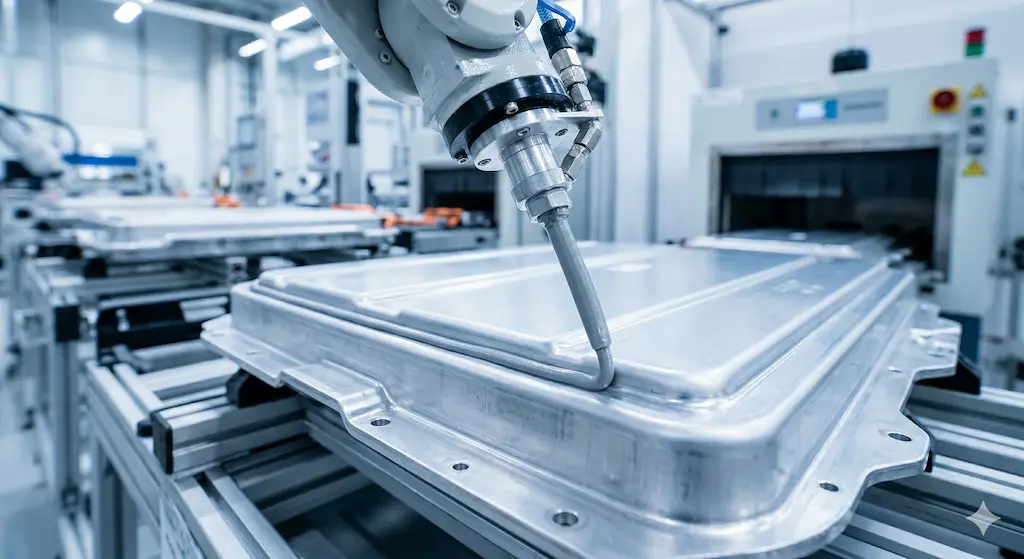
Liquid structural adhesives and pastes include single- and two-component epoxies, polyurethanes, acrylics, and high-strength silicones. These systems are applied by robotic dosing or manual dispensing and develop mechanical strength through a chemical reaction (polymerization). Typical shear strength values for lap joints vary between 15 and 45 MPa for structural epoxies, with elastic moduli in the range of 2-10 GPa.
Adhesive tapes and films allow extremely controlled adhesive thicknesses (25 to 500 µm) and lend themselves to automation in applications where the joint geometry is regular. Oven-cured epoxy adhesive films-common in aerospace-achieve interlaminar shear strengths in excess of 50 MPa at 23°C. In contrast, pressure-sensitive double-sided adhesive (PSA) tapes occupy the non-structural or semi-structural application band, with bond strengths typically less than 5 N/cm², but with the advantage of requiring no cure cycle.
Key Applications: Automotive Electrical, Electronics and Medical
The industry that has most rapidly transformed its joining strategy is the automotive electric industry. In next-generation Battery Electric Vehicles (BEVs), battery modules require the encapsulation of cells using thermally conductive adhesives (Thermal Interface Materials, TIM) with conductivities between 1 and 6 W/m-K, combined with structural adhesives to mechanically attach the pack to the casing. The criticality is twofold: ensuring the thermal transmission necessary to keep the cells in the optimal operating range (generally 20-40°C) and absorbing the cyclic deformations generated by cell expansion. Bonding to anodized aluminum or primed surfaces requires rigorous control of surface preparation, to which we will return.
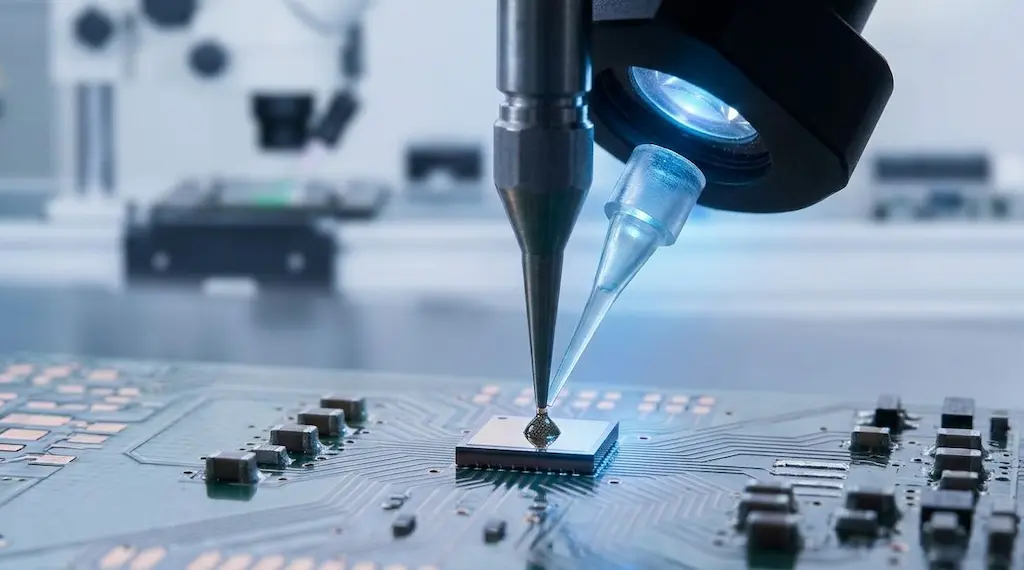
In the electronics industry, underfill for die packaging, isotropic conductive adhesives (ICAs) and die-attach for power components represent applications where the size scale drops to a few µm and tolerance on wetting angle becomes critical. An epoxy die-attach with high thermal conductivity (10-25 W/m-K with silver fillers) must provide a uniform bondline thickness (BLT) typically in the range of 20-80 µm, with variations of less than ±5 µm so as not to compromise the thermal management of the device.
In the medical field, ISO 10993 (biocompatibility) regulatory requirements and cleaning specifications dictate the use of adhesive systems certified for contact with tissue or body fluids. UV-curing acrylic-based adhesives are prevalent in the assembly of microfluidic and catheter devices, where substrate transparency to UV is a prerequisite and cure times of less than 30 seconds are necessary for line productivity.
How Adhesion Works: Mechanisms of Cross-linking and Physical Systems
Chemically cross-linked adhesives
Crosslinking is the process by which the polymer chains of the adhesive form three-dimensional covalent bonds, transforming a viscous liquid into a solid with defined mechanical properties. The three main modes of activation are thermal reaction, UV/visible photopolymerization, and mixing of two reactive components.
In single-component thermal epoxies, the catalyst (typically a latent amine or imuridazole) is activated when a thermal threshold, generally between 80°C and 180°C, is exceeded. The time-temperature profile of the cure cycle determines the crosslinking density, glass transition temperature (Tg) and final elastic modulus. A Tg of 120°C is considered the minimum acceptable for automotive applications subject to severe thermal cycling. UV-curing adhesives convert photon energy into radicals or cations that initiate polymerization: irradiation intensities above 100 mW/cm² allow complete cures in 1-5 seconds, but require at least one of the substrates to be transmissive at the activation wavelength (usually 365 nm or 405 nm).
Two-component (2K) systems mix resin and hardener in a controlled stoichiometric ratio immediately before application. Pot life varies from a few minutes for quick cure systems to several hours for high-viscosity formulations intended for large area joints. Robotic metering with static mixers ensures mixing ratio with tolerances less than ±2%, which is critical in order not to degrade the final mechanical properties.
Solvent and pressure-sensitive adhesives
Solvent-based adhesives develop resistance by carrier evaporation: removal of the solvent concentrates polymer chains and activates intermolecular forces. Their use is declining sharply in industrial applications due to VOC regulations (Directive 2010/75/EU), but they remain in niches where capillary penetration of the solvent is functional for adhesion, such as in membrane bonding to porous substrates. Pressure-sensitive adhesives (PSAs) do not polymerize: their adhesion is entirely viscoelastic in nature, with the contribution of instantaneous wetting (adhesion) and internal cohesion forces (peel strength). Tack, a measure of instantaneous contact, is governed by low-frequency viscosity, while shear strength is determined by the elastic component-a balance that formulators optimize through the choice of glass transition temperature of the base polymer (typically between -20°C and -40°C for water-based acrylic PSAs).
Advantages Compared with Welding and Mechanical Fasteners
Comparing joining technologies cannot be reduced to a general ranking-each method has areas in which it is optimal. However, adhesive bonding has structural advantages in specific situations that it is useful to identify precisely, to avoid both over-engineering and underestimation of its capabilities.
In terms of mechanical behavior, the adhesive joint distributes the load uniformly over the entire bonded surface, eliminating stress concentration points typical of bolted or riveted joints. This results in 30-50% higher fatigue strength than riveted overlapped joints with equivalent cross-sectional strength, a fact documented in aviation applications on 2024-T3 aluminum structures. Welding, while efficient for static loads, introduces a thermally altered zone (HAZ) that can reduce the local strength of the base material by up to 60% in high-strength aluminum.
| Criterion | Adhesive Bonding | Welding | Mechanical Fasteners |
| Dissimilar materials | Excellent | Limited | Good |
| Load distribution | Uniform over the entire surface | Concentrated in the cord | Punctual (bolts) |
| Added weight | Minimum | Modest | High |
| Fatigue resistance | High (no critical point) | Media (HAZ vulnerable) | Medium (fretting possible) |
| Environmental sealing | Integrated into the joint | Requires additional sealant | Requires gaskets |
| Electrical/thermal insulation | Configurable | Conductive | It depends on the material |
| Heat distortion | Absent | Significant | Absent |
| Reversibility | Difficult (structural) | Impossible | Easy |
From a structural weight point of view, an adhesive joint on a 25 mm flange with 12.5 mm overlap adds less than 5 g/m of joint, compared to the 20-80 g/m typical for a riveted flange with 25 mm pitch. In a BEV architecture where the battery pack can have dozens of meters of longitudinal joints, this difference translates into real weight reductions in the kilogram range-relevant to vehicle range. The integrated environmental sealing benefit is equally real: a continuous adhesive joint eliminates the need for separate sealing beads, reducing process steps and potential seepage points.
The Critical Factor: Surface Preparation and Treatment Methods.
Premature failure of an adhesive joint is in almost all cases attributable to inadequate surface preparation. Optimal adhesion is achieved when three conditions coexist: absence of contaminants (oils, release agents, weak oxides), sufficient mechanical roughness to ensure physical anchorage and interlocking, and a substrate surface energy greater than the surface tension of the adhesive-a necessary condition for complete wetting.
Chemical cleaning with solvents or alkaline solutions effectively removes oils and greases, but does not change surface topography or stably increase surface energy. Mechanical abrasion (sandblasting, brushing) increases Ra roughness from typical values of 0.1-0.5 µm on polished aluminum to 2-8 µm, significantly improving physical anchorage. However, it introduces abrasive contaminants and is not repeatable with the accuracy required by high-volume in-line processes.
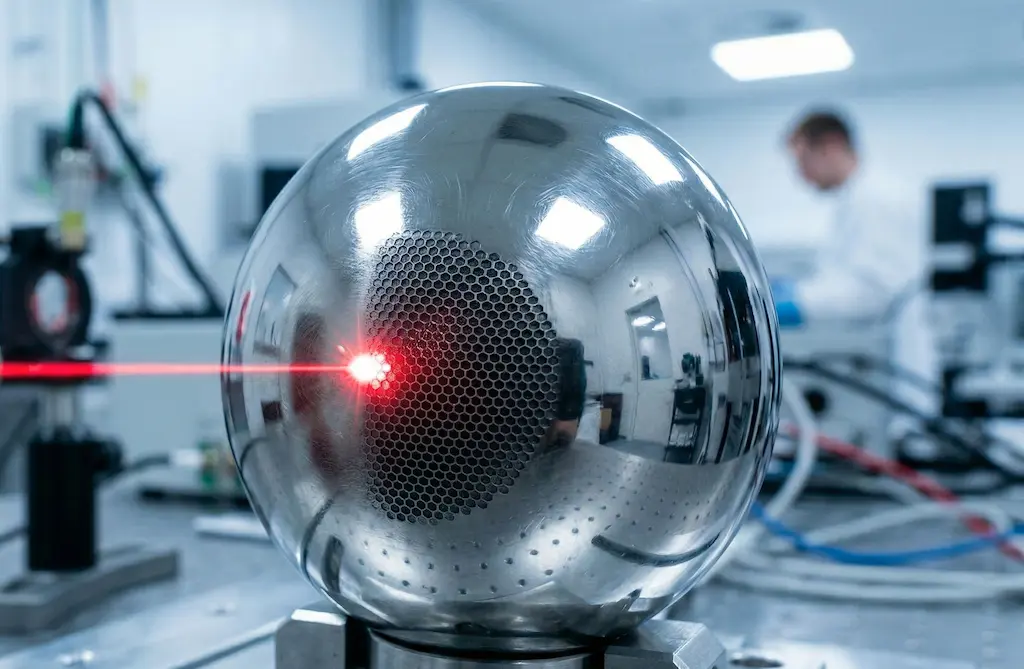
Laser surface preparation (LSP) treatment has gained industrial relevance precisely to overcome these limitations. A pulsed laser beam-typically Nd:YAG or fiber at 1064 nm-removes surface contaminants and brittle oxide films by ablation, generates controlled micro-topography, and chemically activates the surface by increasing surface energy. In our experience with automotive applications, laser treatment on AA6061 aluminum prior to structural bonding increased the shear strength of the joint by 35-60% compared to cleaning with IPA alone, with dispersion of results reduced to less than half due to the repeatability of the laser process compared to manual abrasion.
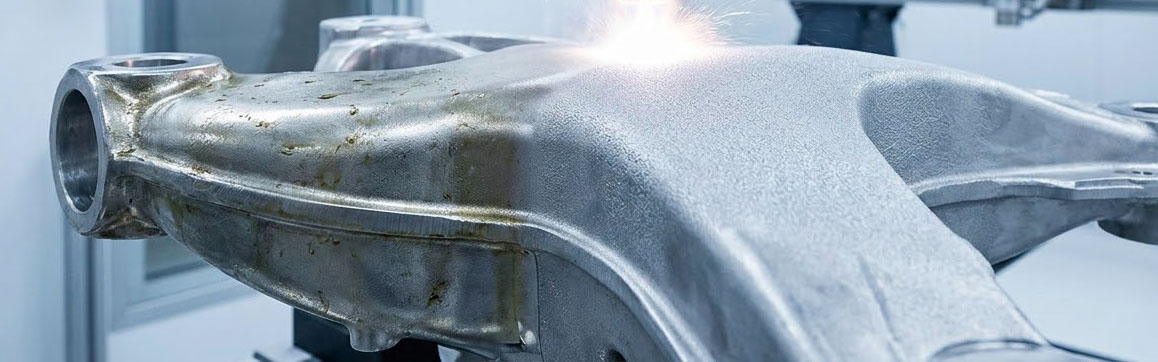
The key parameters of SMP are fluence (energy per unit area, typically 0.5-3 J/cm²), repetition rate (1-100 kHz), scan rate, and number of passes. Varying the fluence allows one to go from simple surface cleaning (< 0.8 J/cm²) to controlled microabrasion (1-2 J/cm²) to creating deep anchor structures (> 2 J/cm²). On carbon-reinforced substrates (CFRP), control is even more critical: fluence must remain below the threshold of fiber damage (about 1.5 J/cm² for epoxy CFRP at 1064 nm), but be sufficient to remove the surface resin film that would otherwise prevent adhesion to the fibers themselves.
Plasma treatment and chemical functionalization (silane primers, chromate-free conversion coatings) complete the panorama of available solutions. Epoxy primers, applied in 5-15 µm layers, perform a chemical coupling function between metal substrate and adhesive, improving joint durability in wet environments. The choice between these approaches depends on component geometry, production volume, and process traceability requirements-factors that in series production are systematically evaluated during PFMEA qualification.
Adhesive Joint Qualification: How to Test Strength and Optimize the Process
Standard mechanical tests
Mechanical characterization of an adhesive joint follows standardized protocols that should be known in order to correctly interpret vendor datasheets and design acceptance plans. The lap shear test on an overlapping joint (lap shear test, ISO 4587 or ASTM D1002) is the most common measurement: two bonded substrates over a defined overlap area (typically 12.5 × 25 mm) are axially loaded to failure. The result-expressed in MPa-describes the strength of the joint, but includes peeling effects at the ends of the overlap that make the figure dependent on the geometry of the specimen and the stiffness of the substrates.
The perpendicular tensile test (tensile butt joint, ISO 6922) measures the separation strength normal to the joint plane, a relevant value for joints subjected to peel or cleavage loads. Typical values for structural epoxy adhesives on blasted steel range between 25 and 60 MPa. For dynamic applications, fatigue tests according to ISO 9664 (cyclic shear) define the joint strength limit under oscillating loads-usually performed at R = 0.1 with frequencies between 1 and 50 Hz.
Yield analysis and process feedback
The most useful information from a failure test is not the maximum load value, but the type of failure. An adhesive failure–clear separation at the substrate-adhesive interface with a clean surface–indicates a surface preparation or wetting problem. A cohesive failure-breaking internal to the adhesive layer with residue on both surfaces-indicates that the joint has made maximum use of the interface and the limit is the inherent strength of the adhesive: this is the ideal condition for structural joints. Substrate failure (failure of the base material before the joint) indicates that the design has fully optimized the joint, a desirable condition in lightweight components.
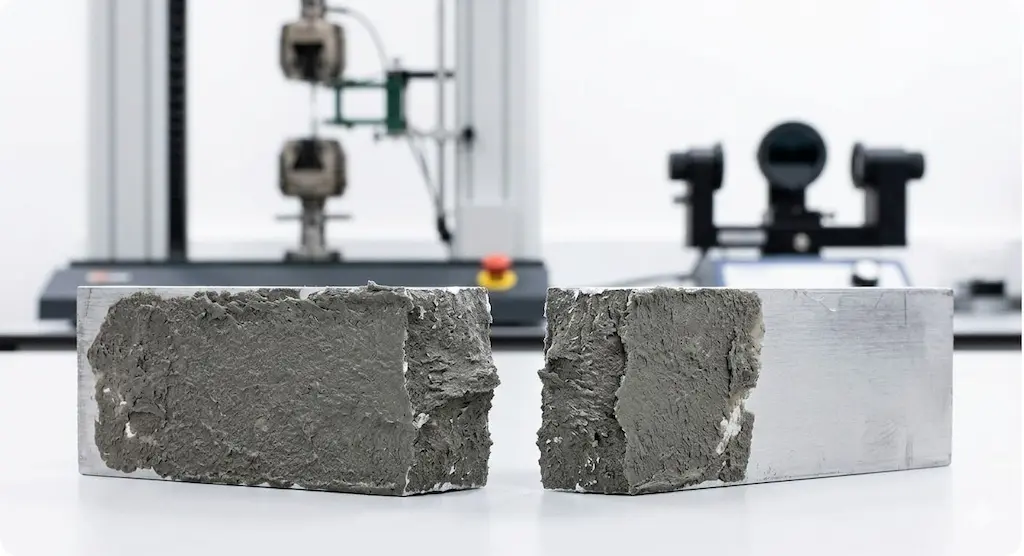
Systematic correlation between failure type and process parameters-cure temperature, surface treatment energy, bondline thickness, relative humidity during application-is the basis of a robust qualification process. In plants with high production cadences, this correlation is managed via Statistical Process Control (SPC) on verifiable inline process parameters (e.g., adhesive contact angle on the treated substrate, measured with an inline integrated optical goniometer) as a proxy for joint quality, without having to destroy components in production.
Conclusions: Design for Reliability, Not for Endurance
Adhesive bonding is a mature technology, but its successful implementation requires an integrated understanding of polymer chemistry, surface tribology and joint mechanics. The tendency to select an adhesive based only on the shear strength stated in the datasheet-while ignoring surface preparation, bondline thickness control, and management of the application environment-is the main cause of failures in serial production.
The three variables on which to focus optimization are the quality and repeatability of surface preparation, control of the cure cycle (time, temperature, clamping pressure), and characterization of failure as a continuous feedback tool. Laser treatment is now one of the most reliable approaches for the first variable in high-volume environments because of its inherent digital traceability and ability to integrate the process in-line without introducing additional chemical agents.
To learn more about how to configure an optimal laser processing system for your bonding line, the LASIT team is available for a technical analysis of your specific application.